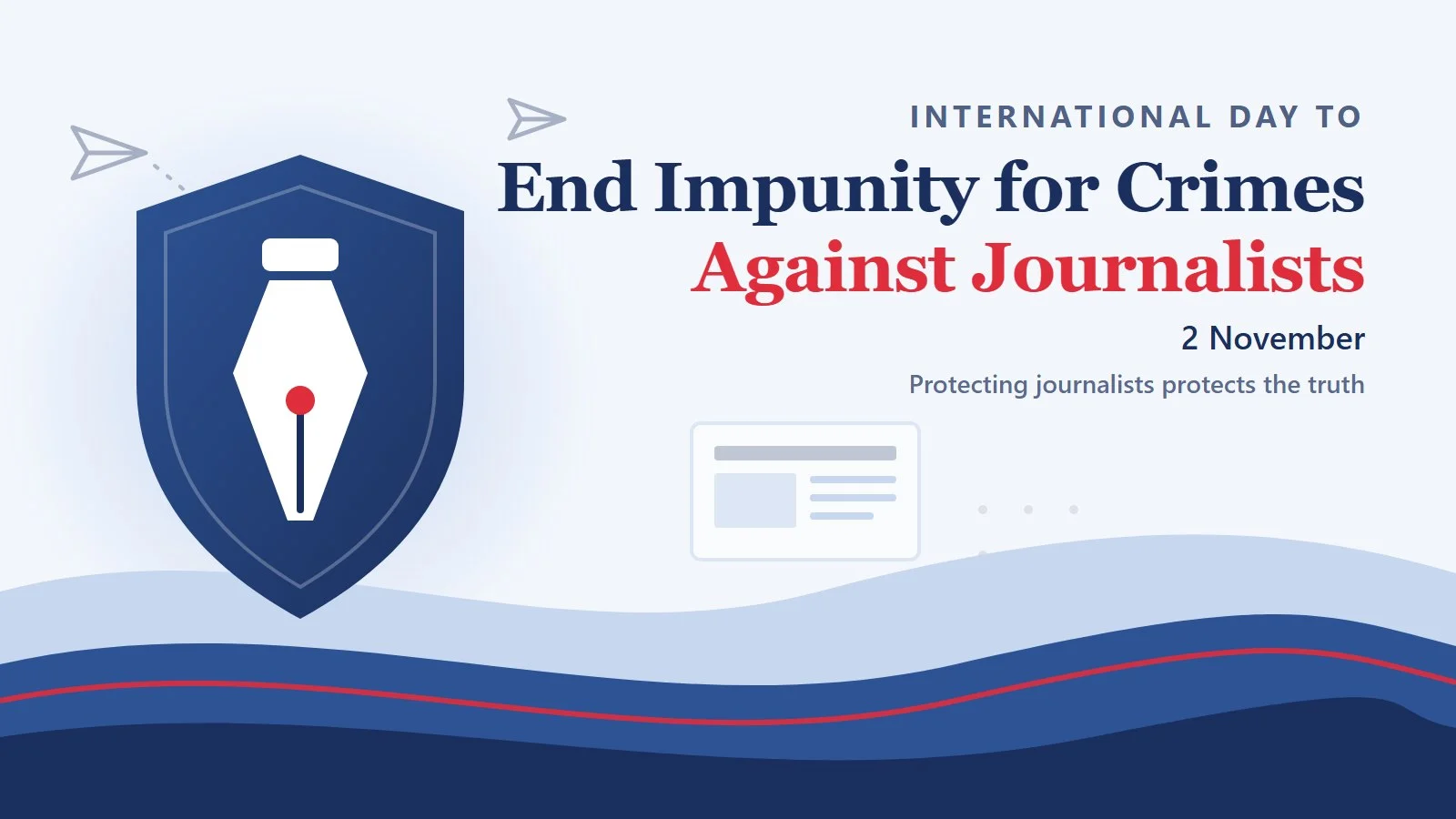
International Day to End Impunity for Crimes Against Journalists 2026: Protecting Press Freedom and the Truth
Every year on 2 November, the United Nations calls for justice for crimes against journalists. Here is the history of the day, why journalist safety matters and how everyone can support press freedom.
- Written by
- MyMedicare Editorial Team
- Published
- Reading time
- 5 min read
Journalism plays a vital role in building an informed and responsible society. Journalists help people understand important events, uncover facts, report public concerns and hold institutions accountable. Yet many journalists around the world face threats, harassment and violence while doing their work.
The International Day to End Impunity for Crimes Against Journalists, observed every year on 2 November, highlights the need to protect journalists and to make sure that crimes against them are investigated and prosecuted.
The day reminds governments, media organisations, communities and individuals that press freedom is essential for democracy, transparency and the protection of human rights.
What is the International Day to End Impunity for Crimes Against Journalists?
It is a United Nations observance that raises awareness about violence against journalists and the lack of accountability for crimes committed against them.
The United Nations General Assembly proclaimed 2 November as this international day in Resolution 68/163, adopted on 18 December 2013. The date commemorates Ghislaine Dupont and Claude Verlon, two French journalists with Radio France Internationale who were killed in Mali on 2 November 2013.
The observance calls for stronger measures to protect journalists, prevent violence and bring those responsible for attacks on media professionals to justice.
Why ending impunity matters
According to the UNESCO Observatory of Killed Journalists, more than 1,600 journalists were killed around the world between 2006 and 2025, and about 86% of these killings remain judicially unresolved. When attacks go unpunished, it can encourage further violence and discourage others from reporting.
Why is journalist safety important?
Journalists provide information that helps people make informed decisions about their lives, communities and countries. They report on subjects such as:
- Government policies and public administration
- Education and healthcare
- Environmental concerns
- Human rights and social justice
- Business and economic developments
- Public safety and emergencies
When journalists are threatened or attacked, the impact goes beyond the individual. Communities may lose access to important information, public concerns may go unreported, and accountability becomes harder. Protecting journalists means protecting the public's right to reliable information.
Major challenges faced by journalists
- 1Physical violence and threats: some journalists face physical attacks, intimidation and threats because of the stories they report. This can create fear and discourage them from investigating important issues.
- 2Online harassment: digital platforms help journalists share information, but online abuse, threats and targeted harassment can affect their safety and mental well-being.
- 3Censorship and restrictions: limits on reporting and on access to information make it harder to provide accurate and independent coverage.
- 4Lack of accountability: when crimes against journalists are not properly investigated, perpetrators may escape justice. This can encourage further violence and weaken public confidence in the justice system.
The importance of press freedom
Press freedom allows journalists to report independently and gives citizens access to diverse perspectives. A free press contributes to:
- Transparency in public institutions
- Awareness of social and economic issues
- Public accountability
- Informed decision-making
- Democratic participation
Press freedom does not mean that journalists are above the law. It means they should be able to do their work without unlawful interference, intimidation or violence.
How can we support journalist safety?
Protecting journalists requires action from governments, media organisations, digital platforms and the public:
- Governments and public institutions: put effective legal protections in place, investigate attacks on journalists and hold those responsible to account.
- Media organisations: provide safety training, support journalists who face threats, and set up systems for reporting and responding to harassment.
- Digital platforms: act against threats and abusive behaviour while respecting freedom of expression.
- Citizens and communities: share verified information, avoid spreading misinformation and respect journalists who report on public-interest issues.
The role of digital media in modern journalism
Digital media has transformed how news is created, shared and consumed. Journalists now use websites, social media, online publications, podcasts and video channels to reach audiences quickly.
Digital technology can widen access to information and connect journalists with communities around the world. At the same time, online misinformation, cyber threats and harassment create new challenges. Responsible digital journalism requires accuracy, transparency, ethical reporting and respect for the rights and safety of individuals.
Looking after mental well-being
Threats, online abuse and reporting on distressing events can take a toll on mental health, for journalists and for anyone else. If you are feeling stressed, anxious or low, talking to someone can help.
How to observe 2 November
Individuals, educational institutions, media organisations and businesses can mark the day by:
- Sharing awareness posts about press freedom and journalist safety
- Holding discussions about responsible journalism
- Promoting media literacy and fact-checking
- Supporting independent and credible news organisations
- Encouraging respectful online communication
- Sharing educational information about freedom of expression
Social media campaigns can help spread awareness and encourage meaningful discussions about the importance of protecting journalists.
Conclusion
The International Day to End Impunity for Crimes Against Journalists is an important reminder that journalism contributes to a transparent, informed and accountable society. Protecting journalists from violence, threats and intimidation is essential for safeguarding press freedom and the public's right to information.
On 2 November, let us recognise the contribution of journalists and support efforts to create a safer environment where they can report the truth without fear.
Frequently asked questions
- When is the International Day to End Impunity for Crimes Against Journalists observed? Every year on 2 November.
- Why is this day important? It raises awareness about violence against journalists and calls for accountability for crimes committed against media professionals.
- Who proclaimed this international day? The United Nations General Assembly, in Resolution 68/163 adopted on 18 December 2013.
- Why was 2 November chosen? It marks the day French journalists Ghislaine Dupont and Claude Verlon were killed in Mali in 2013.
- How can people support press freedom? By sharing verified information, promoting media literacy, respecting journalists and calling for accountability for attacks on media professionals.