Color the World Orange Day 2026: Raising Awareness About CRPS and Chronic Pain
Not all pain is visible. What Complex Regional Pain Syndrome is, the symptoms to watch for, how it is treated, and how you can support someone living with chronic pain.
- Written by
- MyMedicare Editorial Team
- Published
- Reading time
- 5 min read
Pain is a common experience, but for some people it becomes a long-term condition that affects everyday life. Chronic pain can interfere with movement, sleep, work, emotional well-being and social activities.
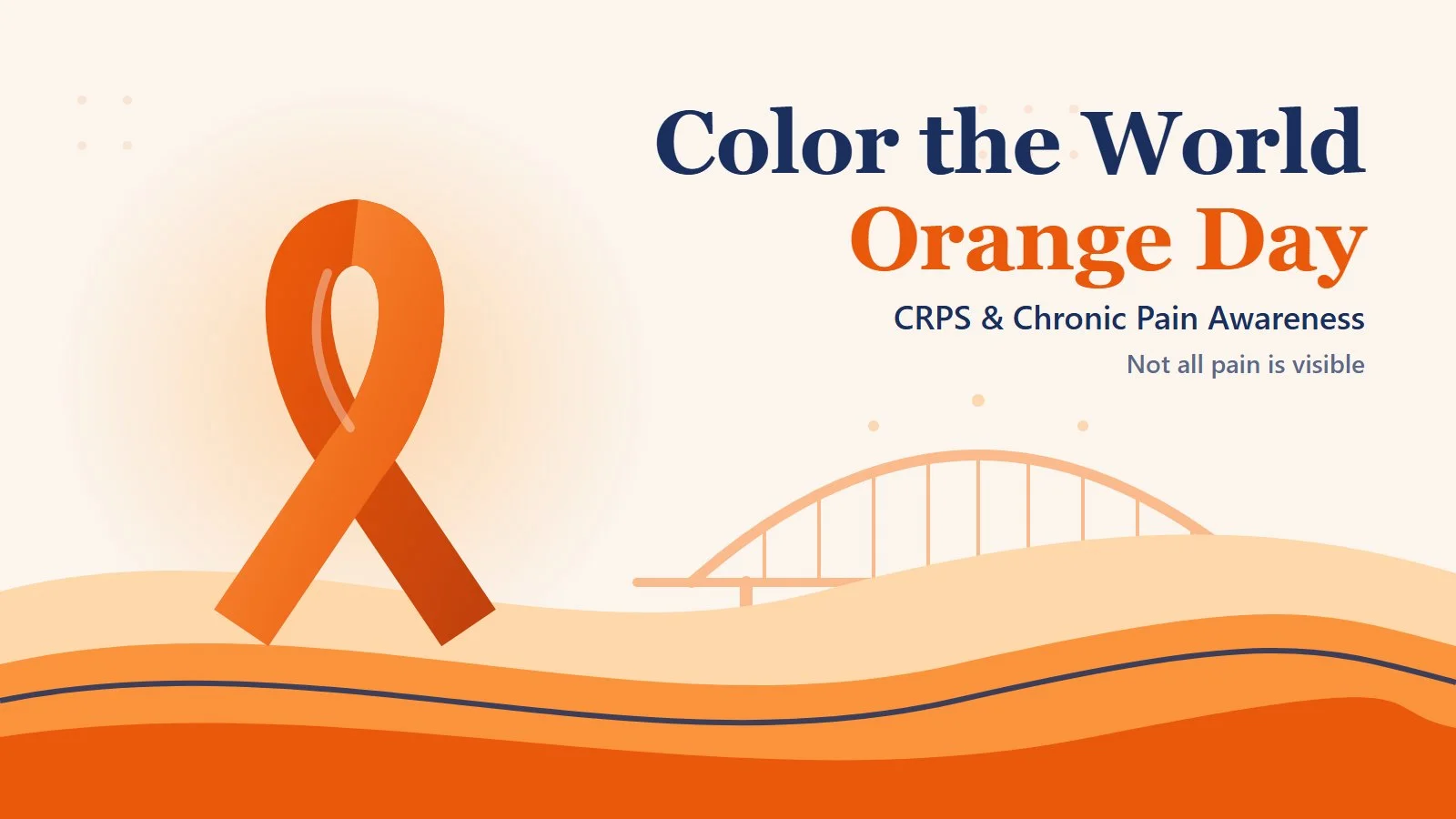
Color the World Orange Day is held on the first Monday of November, which falls on 2 November in 2026. It raises awareness about Complex Regional Pain Syndrome (CRPS) and chronic pain, and encourages people to understand the challenges faced by those living with persistent pain.
Learning about CRPS and chronic pain helps communities reduce stigma and encourages people in pain to seek appropriate medical care.
What is Color the World Orange Day?
Color the World Orange Day is an annual awareness event for CRPS, a condition also known as Reflex Sympathetic Dystrophy (RSD). 2026 marks its 13th year. Orange is the colour of CRPS awareness: supporters wear orange, and landmarks around the world are lit up in orange.
The day encourages individuals, healthcare professionals, organisations and communities to share information about chronic pain and its impact. It is also a reminder that pain is not always visible: someone may be in significant pain even when there are no obvious outward signs.
What is Complex Regional Pain Syndrome (CRPS)?
CRPS is a chronic pain condition that usually affects one limb, such as an arm, hand, leg or foot. It often develops after an injury, surgery or other physical trauma, although in some cases there is no clear trigger.
The pain is typically far more intense or longer-lasting than would be expected from the original injury. CRPS involves changes in how the nervous system processes pain, and it can also affect sensation, movement, skin temperature and the appearance of the affected area.
Common symptoms of CRPS
Symptoms vary from person to person and may include:
- 1Persistent pain: ongoing pain that may feel burning, aching, throbbing or sharp.
- 2Sensitivity to touch: even light contact, clothing or gentle pressure may cause pain.
- 3Changes in skin temperature or colour: the affected area may feel warmer or cooler than the rest of the body and may change colour.
- 4Swelling in the affected limb.
- 5Changes in movement: stiffness, reduced range of motion, weakness or difficulty using the limb.
- 6Changes in skin, hair or nails: the skin may become unusually dry or sweaty, and hair or nail growth may change.
Not everyone has all of these symptoms. Persistent or unusual pain should always be checked by a healthcare professional.
What is chronic pain?
Chronic pain is pain that lasts, or keeps coming back, for more than three months. It may be linked to an injury, illness or other medical condition.
Unlike short-term pain, which usually signals an immediate injury, chronic pain can continue even after the original injury has healed. It can affect:
- Physical activity and mobility
- Sleep and rest
- Work and daily responsibilities
- Emotional well-being
- Relationships and social activities
Chronic pain is a real health concern and should not be dismissed just because its cause is not immediately visible.
Why is chronic pain awareness important?
People living with chronic pain may face challenges such as:
- Difficulty explaining their symptoms to others
- Delays in getting a diagnosis
- Limited understanding from family, friends or colleagues
- Taking part less in everyday activities
- Emotional stress caused by ongoing pain
Raising awareness encourages more compassionate conversations and helps people access appropriate healthcare and support.
Diagnosis and treatment of CRPS
There is no single test that confirms CRPS. Doctors diagnose it based on a person's medical history, symptoms and physical examination, and by ruling out other possible causes of the pain.
Treatment depends on the individual and may combine:
- Physiotherapy and occupational therapy
- Pain management
- Medicines prescribed by a doctor
- Psychological support
- Rehabilitation to improve movement and daily functioning
Early assessment and individualised care may help people manage their symptoms and improve their quality of life.
How can family and friends help someone living with chronic pain?
Support from family, friends and communities can make a real difference:
- Listen with understanding: let the person explain what they are experiencing, without judgement.
- Don't dismiss their pain: remarks such as "It's nothing" or "You should be fine by now" can make someone feel misunderstood.
- Offer practical help: help with everyday tasks when pain affects their mobility or energy.
- Respect their needs: pain can vary from day to day, so be patient and respect their limits.
- Encourage medical care: support them in getting a professional assessment and following their care plan.
How to observe Color the World Orange Day
Individuals, healthcare organisations, schools and businesses can take part by:
- Wearing orange to show support
- Sharing educational posts about CRPS and chronic pain
- Publishing awareness articles and videos
- Organising community discussions
- Encouraging compassionate conversations about invisible illnesses
- Sharing information about seeking appropriate medical care
Conclusion
Color the World Orange Day reminds us that pain is not always visible, but its impact can be significant. Raising awareness about CRPS and chronic pain promotes understanding, compassion and support for people living with these conditions.
On 2 November, let us stand together with everyone affected by chronic pain and encourage greater awareness of their healthcare needs.
Frequently asked questions
- When is Color the World Orange Day observed? On the first Monday of November each year. In 2026, it falls on 2 November.
- What does the colour orange represent? Orange is the colour of CRPS awareness and shows support for people living with CRPS and chronic pain.
- What is CRPS? Complex Regional Pain Syndrome is a chronic pain condition that usually affects one limb and often develops after an injury, surgery or other physical trauma.
- Is CRPS treatable? Yes. Treatment can help manage symptoms and improve function. Care is individualised and may include physiotherapy, pain management and psychological support.
- How can I support chronic pain awareness? Share reliable information, listen without judgement, support people seeking care and take part in awareness campaigns.
Living with long-term pain often means many appointments, reports and prescriptions. Keep them all in one place with MyMedicare, so every doctor you see has the full picture.
Create your free account