
World Radiography Day: How Medical Imaging Supports Safer and Earlier Diagnosis
Discover how X-rays, CT, MRI and other imaging tests help clinicians diagnose conditions, and learn how to prepare for an imaging appointment.
- Written by
- MyMedicare Editorial Team
- Published
- Reading time
- 4 min read
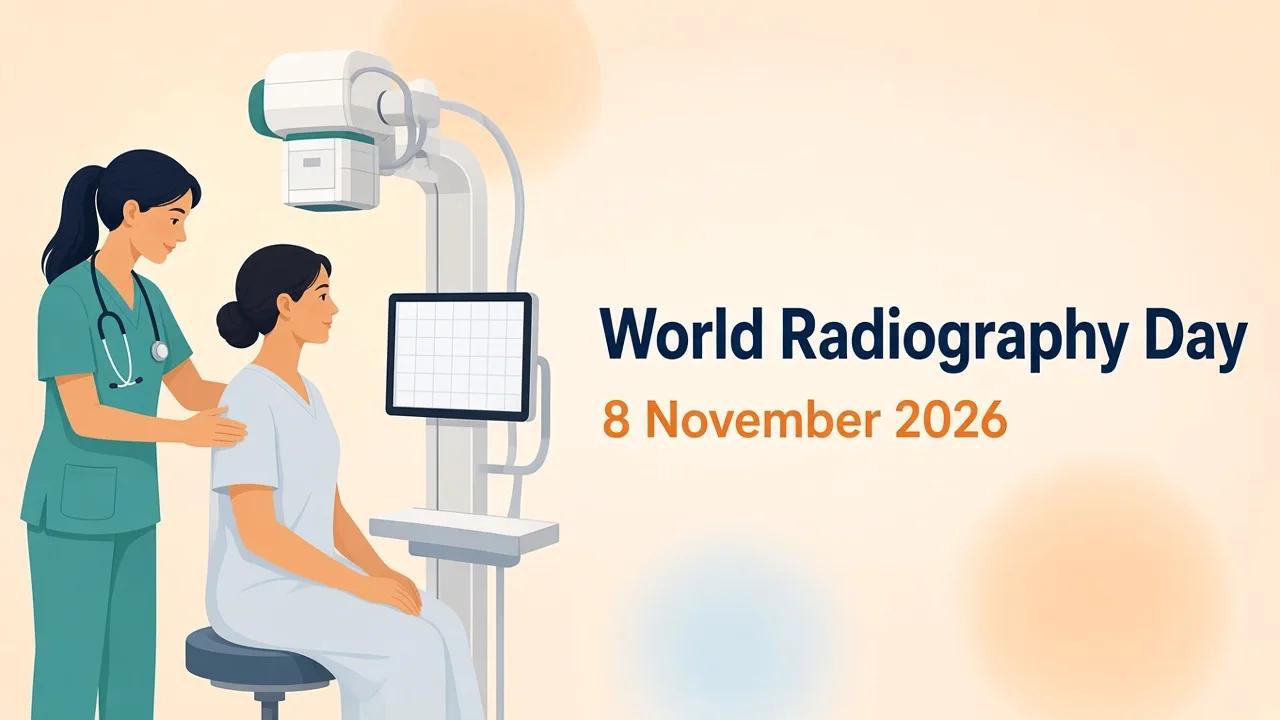
Medical imaging helps healthcare professionals look inside the body without performing an operation. From identifying a fracture after an injury to investigating symptoms in the chest or abdomen, imaging can provide information that supports diagnosis, treatment planning and follow-up. World Radiography Day, observed on 8 November, recognises the role of radiographers and imaging teams in patient care. It is also a useful opportunity for patients to understand why a scan is recommended, what different imaging methods can show and how to prepare safely.
What medical imaging does
An imaging test creates pictures or other representations of structures inside the body. The clinician chooses a test based on the medical question, the body area, the urgency and the patient's circumstances. Imaging results are interpreted alongside symptoms, examination findings, laboratory tests and medical history. A scan rarely provides the whole answer by itself. The best test is not necessarily the most advanced or expensive one; it is the test that is appropriate for the clinical question and offers a suitable balance of useful information, safety, availability and cost.
Common imaging methods
X-rays use a small amount of ionising radiation to create images, commonly of bones and the chest. CT scans use X-rays and computer processing to create detailed cross-sectional images and may be useful in emergencies or complex assessments. Ultrasound uses sound waves rather than ionising radiation and is commonly used in pregnancy and to examine organs, blood flow and soft tissues. MRI uses strong magnetic fields and radio waves to produce detailed images of selected tissues; it does not use ionising radiation. Each method has strengths and limitations, and the clinician decides which is most suitable.
Radiation safety and informed decisions
Some imaging methods, including X-rays and CT, use ionising radiation. Medical teams follow justification and optimisation principles: the test should be expected to provide information that helps care, and exposure should be kept as low as reasonably achievable while obtaining the required image quality. Tell the imaging team if you are pregnant or might be pregnant, because this can affect the choice or timing of a test. Do not refuse a medically necessary scan solely because it uses radiation; instead, ask the clinician to explain the expected benefit, alternatives and risks in your particular situation.
Preparing for an imaging appointment
Follow the instructions from the imaging centre. Some examinations require fasting, drinking water, changing clothes or removing jewellery and metal objects. If contrast material is planned, the team may ask about previous contrast reactions, kidney problems, allergies, medications or relevant test results. For MRI, tell staff about pacemakers, implants, metal fragments, surgical clips or devices, because some equipment may not be compatible with the scanner. Bring previous scans and reports when requested. If instructions are unclear, contact the facility before the appointment rather than guessing.
The radiography team's contribution
Radiographers help position patients, operate imaging equipment, follow safety protocols and obtain images that answer the clinical question. They also explain procedures, support people who are anxious or in pain and adapt positioning when mobility is limited. Radiologists and other qualified clinicians interpret images and communicate findings to the treating team. Accurate patient identification, clear referrals, correct positioning, equipment quality checks and careful reporting all contribute to safe imaging. Patients can help by sharing relevant history, following instructions and asking for clarification whenever they do not understand a step.
A practical action plan
Before leaving the imaging centre, confirm how the report will be delivered and which clinician will explain it. Keep copies of images and reports where possible, especially when changing hospitals or specialists. If you have a previous scan of the same body area, tell the imaging team; comparison can sometimes help interpretation. Ask for accessible instructions if you have hearing, vision, mobility or language needs. If you experience an unexpected reaction after contrast or feel unwell following a procedure, contact the imaging facility or seek medical advice promptly.
Imaging reports may use technical terms such as opacity, lesion, incidental finding or degenerative change. These words do not always indicate a serious disease. Their meaning depends on the location, size, appearance, comparison with earlier images and clinical question. A report may recommend follow-up imaging or another test; ask the referring clinician what the recommendation means and how soon it should happen. Do not assume that a scan is normal simply because no one contacts you immediately. Confirm the result and follow-up plan with the facility or requesting clinician.
Common questions
- Are X-rays painful? A routine X-ray is usually painless. You may need to hold a position briefly, which can be uncomfortable if you are injured.
- Do MRI scans use radiation? MRI uses magnetic fields and radio waves, not ionising radiation. It does require careful screening for certain implants and metal objects.
- Why might contrast be used? Contrast material can make selected organs, blood vessels or tissues easier to assess. The team will review relevant risks and preparation requirements.
- Can I keep my jewellery on? Usually jewellery and metal items must be removed for many examinations, especially MRI. Follow the imaging centre's specific instructions.
- When will I receive my results? Timing varies by facility and urgency. Ask when and how the report will reach the clinician who requested the test.
Keep reports, prescriptions and vaccination records for your family together in MyMedicare.
Create a free account