
World Prematurity Day: Supporting Babies Born Early Through Follow-Up Care
Understand premature birth, neonatal intensive care, feeding, developmental monitoring and the importance of follow-up support for preterm babies.
- Written by
- MyMedicare Editorial Team
- Published
- Reading time
- 5 min read
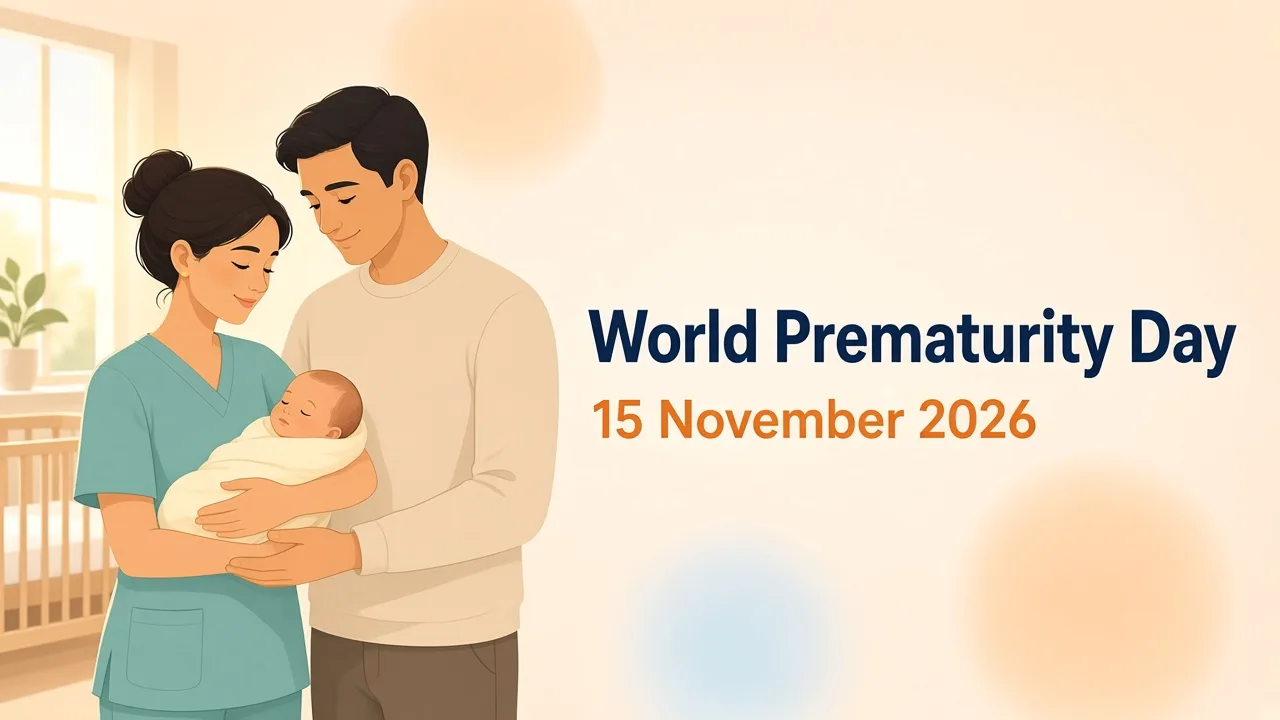
A baby born before 37 completed weeks of pregnancy is considered preterm. Some preterm babies need specialised support with breathing, feeding, temperature regulation and protection from infection. Advances in newborn care have improved survival, but the journey does not necessarily end when a baby leaves the neonatal intensive care unit (NICU). World Prematurity Day is observed on 15 November from 2026, following a change in the global date to align with its inclusion in the World Health Organization calendar. The 2026 campaign highlights follow-up care for babies born too soon.
Why babies may be born early
Preterm birth can happen spontaneously or because healthcare professionals recommend early delivery when continuing the pregnancy presents a risk to the mother or baby. Factors associated with preterm birth include multiple pregnancy, some infections, high blood pressure, diabetes, problems with the placenta, previous preterm birth and certain pregnancy complications. Sometimes no clear cause is identified. Antenatal care helps identify and manage some risks, but it cannot prevent every preterm birth. Pregnant people should attend recommended appointments and discuss symptoms such as bleeding, fluid leakage, regular contractions or reduced fetal movement promptly.
What happens in the NICU
The level of support depends on how early the baby is born and their medical condition. Care may include help with breathing, temperature control, nutrition through a feeding tube or intravenous support, infection monitoring and careful observation. Parents may feel frightened or overwhelmed by equipment and unfamiliar medical language. Ask the care team to explain the baby's condition, the purpose of each treatment and what signs show progress. Where clinically appropriate, skin-to-skin contact, breast milk support and parent involvement can strengthen bonding and support care. The team should explain infection-prevention steps and how parents can participate safely.
Preparing for discharge
Discharge is usually based on the baby's stability and ability to manage essential needs with a safe plan at home; it is not determined by weight alone. Before leaving hospital, caregivers should understand feeding instructions, medicines, safe sleep, temperature monitoring, warning signs and follow-up appointments. Ask whom to contact outside clinic hours and where to go in an emergency. Ensure that caregivers know how to use any equipment supplied and have a written plan. Families should not feel embarrassed to ask for instructions to be repeated or demonstrated. Clear communication reduces avoidable confusion during a demanding transition.
Why follow-up care matters
Preterm babies may need ongoing assessment of growth, feeding, hearing, vision, movement, learning and development. Some may require specialist input, early intervention, physiotherapy, occupational therapy or developmental services. Follow-up schedules differ according to gestational age, medical history and local services. Keep a record of hospital discharge notes, immunisations, screening results and specialist appointments. If a baby is not feeding well, has breathing difficulty, becomes unusually sleepy, develops a fever or shows other concerning changes, seek prompt medical advice. Do not wait for the next routine appointment when a new problem is urgent.
Supporting parents and families
Parents of preterm babies may experience exhaustion, anxiety, grief, guilt or uncertainty. These feelings do not mean they have failed. Practical help with meals, transport, household tasks and caring for other children can make a real difference. Encourage parents to discuss emotional distress with their healthcare team and seek peer or counselling support if helpful. Family members should avoid comparing one baby's progress with another's: development is individual, and corrected age may be used when assessing milestones. Celebrate progress while continuing recommended monitoring. A coordinated team involving parents, paediatricians, nurses and specialists gives babies a stronger foundation for growth.
A practical action plan
Families can make follow-up visits easier by keeping a single folder with the discharge summary, birth details, immunisation record, screening results, medicine list and contact numbers. Write questions as they arise instead of trying to remember everything during a busy appointment. Ask whether the baby should be assessed using corrected age and which developmental signs should prompt earlier review. If transport, cost, feeding supplies or caregiver stress make follow-up difficult, tell the care team; they may be able to connect the family with local support.
Corrected age is sometimes used when considering a preterm baby's development. It adjusts chronological age for the number of weeks the baby was born before 40 weeks of pregnancy. Healthcare professionals may use it for a period when reviewing milestones, but the approach and duration depend on the child's circumstances. Parents should ask the paediatric team how to interpret growth charts and developmental expectations. A milestone checklist is a conversation aid, not a diagnostic tool. A child's progress should be assessed in context, including medical history, hearing, vision, feeding and family observations.
Common questions
- What is a preterm baby? A baby born before 37 completed weeks of pregnancy is considered preterm.
- Does every premature baby need a NICU stay? Not every preterm baby needs the same level of care. The decision depends on gestational age, breathing, feeding, temperature and overall stability.
- Why are follow-up appointments important after discharge? They help monitor growth, feeding, hearing, vision and development, and identify needs for early support.
- Can parents hold a baby in the NICU? Often yes, when the baby's condition and care plan allow it. Ask the neonatal team about safe skin-to-skin contact and handling.
- Is World Prematurity Day still on 17 November? From 2026 onward, WHO observes World Prematurity Day on 15 November. Some older materials may still show 17 November.
Keep reports, prescriptions and vaccination records for your family together in MyMedicare.
Create a free account