
World Pneumonia Day: Recognising Symptoms, Reducing Risk and Seeking Timely Care
Understand pneumonia symptoms, common causes, warning signs, vaccination and prevention steps, and when to seek urgent medical attention.
- Written by
- MyMedicare Editorial Team
- Published
- Reading time
- 4 min read
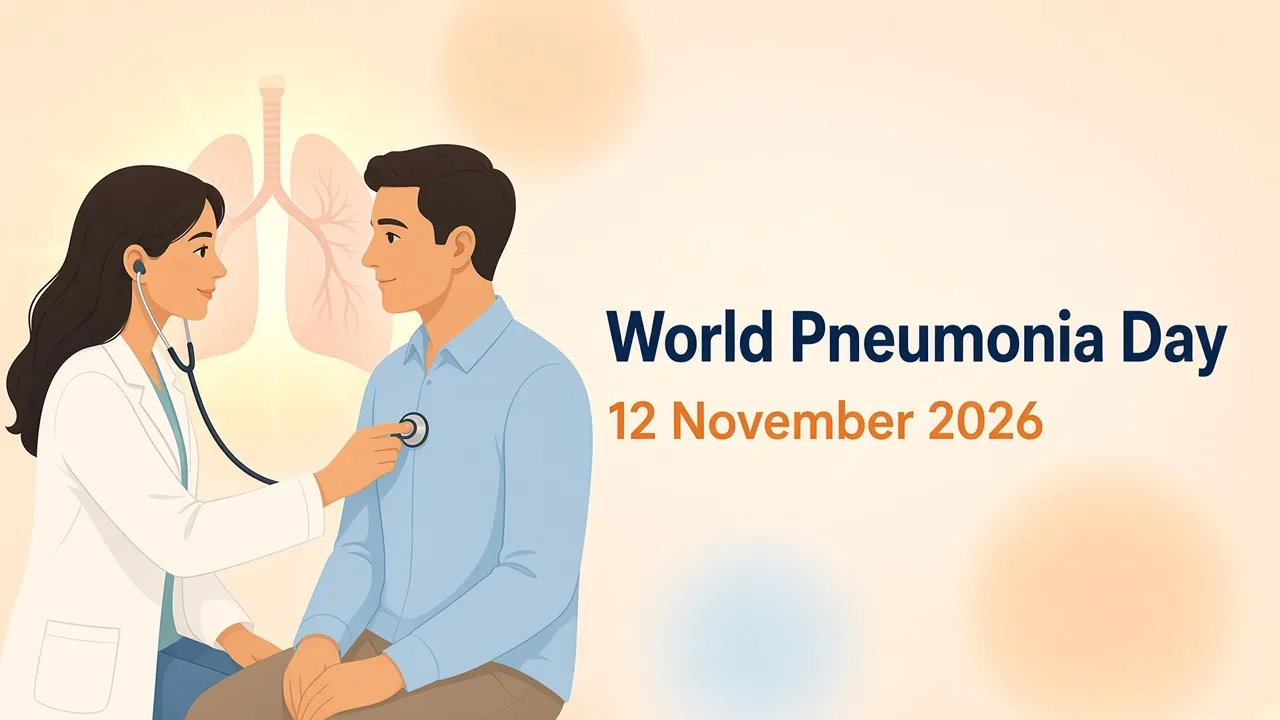
Pneumonia is an infection that inflames the air sacs in one or both lungs. The air sacs may fill with fluid or pus, making breathing difficult and reducing the amount of oxygen that reaches the blood. Pneumonia can affect people of any age, but infants, older adults and people with certain long-term health conditions may face a greater risk of severe illness. World Pneumonia Day on 12 November encourages communities to recognise symptoms, understand prevention and seek appropriate care early. The condition can be serious, but timely assessment and suitable treatment can improve outcomes.
Causes and how infection spreads
Pneumonia may be caused by bacteria, viruses or, less commonly, fungi. The organism responsible can vary by age, health status, location and exposure. Some infections spread through respiratory droplets or particles released when an infected person coughs, sneezes or talks. Pneumonia can also develop after another respiratory infection. Not every cough or fever is pneumonia, and the cause cannot reliably be identified from symptoms alone. A clinician may use examination, oxygen measurements, chest imaging or laboratory tests depending on the person's condition.
Symptoms to recognise
Common symptoms include cough, fever, chills, chest discomfort, shortness of breath, tiredness and reduced appetite. Some people produce mucus when coughing. Older adults may develop confusion, weakness or a change in usual behaviour rather than a high fever. Infants may feed poorly, breathe rapidly, appear unusually sleepy or show chest indrawing. Symptoms can range from mild to severe. Seek urgent medical attention for severe difficulty breathing, bluish lips or face, persistent chest pain, confusion, inability to drink or signs of serious deterioration. Babies and vulnerable adults should be assessed promptly when concerning symptoms appear.
Who may be at higher risk
Young children, older adults, people with chronic lung or heart disease, diabetes, weakened immune systems and people who smoke may be more likely to develop complications. Crowded living conditions, indoor air pollution and limited access to healthcare can also increase vulnerability. Risk is not a reason to panic; it is a reason to plan prevention and seek advice early. People with long-term conditions should ask their healthcare professional what symptoms require prompt review and which vaccinations are recommended for their age and medical history.
Prevention that can make a difference
Vaccination can help prevent some infections that cause pneumonia or reduce the risk of severe disease. Depending on age and local recommendations, vaccines may include those against pneumococcus, influenza, COVID-19, measles and other infections. Handwashing, covering coughs and sneezes, improving indoor ventilation, avoiding tobacco smoke and staying home when acutely unwell can reduce transmission. Good nutrition and appropriate management of chronic conditions support general health. Parents and caregivers should follow the recommended childhood immunisation schedule and seek advice if a child has missed doses.
Diagnosis, treatment and recovery
Treatment depends on the cause and severity. Bacterial pneumonia may require antibiotics prescribed by a clinician; antibiotics do not treat viral infections. Never use leftover antibiotics or share medicines. Severe cases may require hospital care, oxygen, fluids or other supportive treatment. Follow the prescribed plan and complete medicines exactly as directed. Recovery time varies: cough and tiredness may continue after the infection begins to improve. Arrange follow-up if symptoms worsen, fever returns, breathing becomes harder or recovery is not progressing as expected. People discharged from hospital should follow their discharge instructions and attend recommended reviews.
A practical action plan
A useful household plan is to keep emergency contact details visible, know the nearest appropriate healthcare facility and understand which family members have higher risk. Keep vaccination records available and ask during routine visits whether recommended respiratory vaccines are up to date. Do not rely on steam inhalation, home remedies or cough medicines as substitutes for medical assessment when breathing is difficult. If a clinician prescribes treatment, clarify the dose, duration, possible side effects and signs that should prompt reassessment.
People recovering from pneumonia may need time to regain their usual energy and exercise tolerance. A lingering cough does not always mean that treatment has failed, but worsening symptoms or a return of fever should be reviewed. Follow the discharge or treatment plan and ask when a follow-up examination or repeat imaging is needed; this is not identical for every patient. Avoid smoking and second-hand smoke during recovery. Caregivers should watch for reduced fluid intake, confusion, rapid breathing or unusual sleepiness in vulnerable people.
Common questions
- Is pneumonia contagious? The germs that cause some types of pneumonia can spread between people, although not everyone exposed will develop pneumonia.
- Can pneumonia be treated at home? Some mild cases may be managed at home under clinical guidance. Severe symptoms, low oxygen or high-risk health conditions may require hospital assessment.
- Do antibiotics cure all pneumonia? No. Antibiotics treat bacterial infections, not viral pneumonia. A clinician determines whether antibiotics are appropriate.
- Can pneumonia be prevented by vaccines? Vaccines can prevent some infections that cause pneumonia or reduce the risk of severe illness. Recommendations depend on age and health status.
- When is breathing difficulty an emergency? Severe or rapidly worsening breathlessness, bluish lips, confusion or inability to stay awake requires urgent emergency care.
Keep reports, prescriptions and vaccination records for your family together in MyMedicare.
Create a free account