
World Diabetes Day: Understanding Blood Sugar, Prevention and Everyday Diabetes Care
Learn about diabetes types, symptoms, risk factors, blood glucose monitoring, healthy habits and regular checkups for better diabetes care.
- Written by
- MyMedicare Editorial Team
- Published
- Reading time
- 5 min read
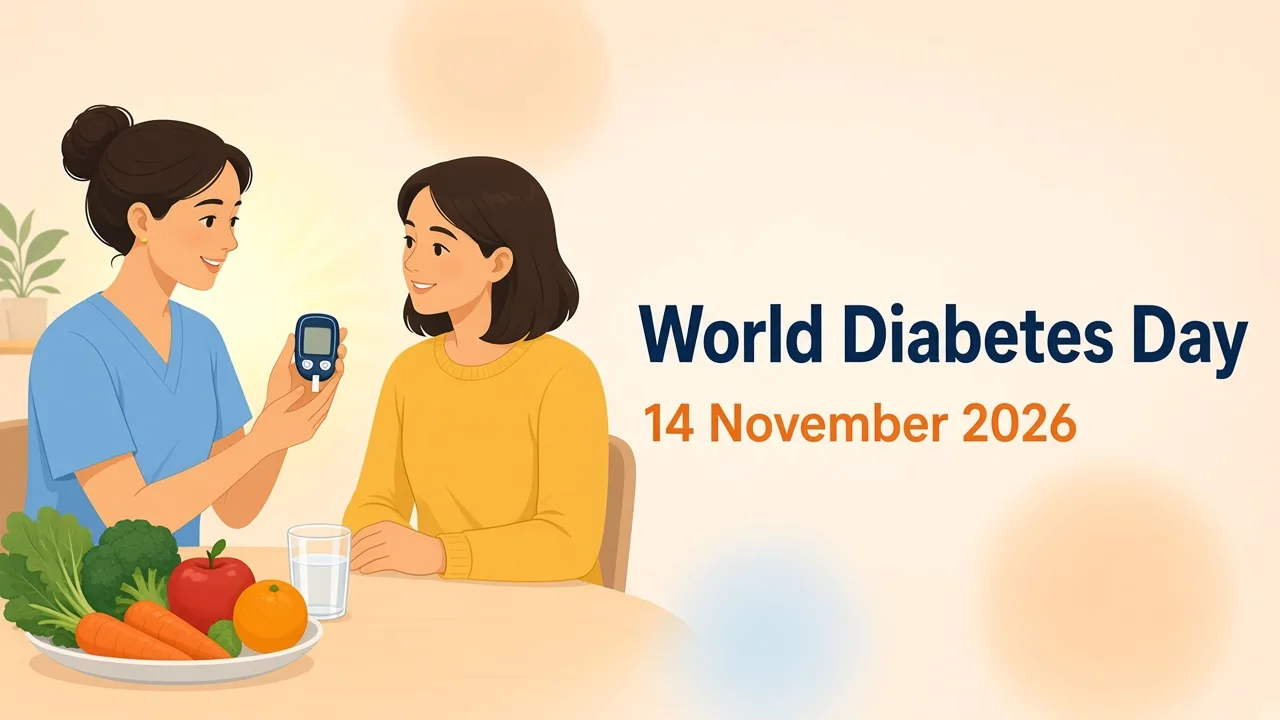
Diabetes is a long-term condition in which blood glucose levels remain higher than normal because the body does not produce enough insulin, cannot use insulin effectively, or both. Insulin is a hormone that helps glucose move from the bloodstream into cells for energy. Diabetes requires ongoing care, but people can live active and fulfilling lives with appropriate treatment, monitoring and support. World Diabetes Day, observed on 14 November, is an opportunity to improve understanding, challenge stigma and encourage access to reliable information and healthcare.
Different forms of diabetes
Type 1 diabetes occurs when the immune system destroys the insulin-producing cells in the pancreas. People with type 1 diabetes need insulin treatment. Type 2 diabetes develops when the body becomes resistant to insulin or does not make enough to maintain healthy glucose levels; it is influenced by genetic, metabolic and environmental factors. Gestational diabetes is first recognised during pregnancy and needs careful monitoring because it can affect both parent and baby. Other less common forms also exist. The type of diabetes matters because treatment and monitoring plans differ.
Symptoms and why testing matters
Possible symptoms include increased thirst, frequent urination, unexplained weight loss, tiredness, blurred vision and slow-healing wounds. Some people with type 2 diabetes have few or no symptoms for years, so testing may identify the condition before complications develop. Diagnosis is made using appropriate blood tests, such as fasting plasma glucose, HbA1c or an oral glucose tolerance test, interpreted according to clinical criteria. A home glucose meter can support daily management but should not be used alone to diagnose diabetes. Ask a clinician whether testing is appropriate based on age, symptoms, pregnancy and risk factors.
Complications and routine monitoring
Persistently high blood glucose can damage blood vessels and nerves, increasing the risk of heart disease, stroke, kidney disease, vision loss and foot problems. Good diabetes care is broader than checking glucose. Depending on the individual plan, it may include blood pressure and cholesterol management, kidney function and urine tests, eye examinations, foot checks, dental care and vaccination. Monitoring frequency depends on the type of diabetes, treatment, control and other health conditions. Keep a record of test results and medicines, and discuss changes with the healthcare team rather than adjusting treatment without guidance.
Food, movement, sleep and daily habits
There is no single meal plan that suits everyone with diabetes. A balanced approach often includes vegetables, pulses, whole grains, suitable protein sources, fruit in appropriate portions and water instead of sugary drinks. Portion sizes and carbohydrate intake may need individual planning, particularly for people using insulin or medicines that can cause low blood glucose. Regular physical activity can improve insulin sensitivity and cardiovascular health. Start gradually if you have been inactive, and ask for advice if you have complications or other medical concerns. Sleep, stress management and avoiding tobacco also support overall health.
Medicines, low blood glucose and support
Diabetes treatment may include insulin, tablets or other injectable medicines. Take medicines as prescribed and understand what to do if a dose is missed, you are ill or you cannot eat normally. Some treatments can cause hypoglycaemia, or low blood glucose. Symptoms may include sweating, shaking, hunger, palpitations, dizziness or confusion. People at risk should learn how to recognise and treat it and carry an appropriate fast-acting source of glucose if advised. Family members can learn how to help during an episode. Emotional support matters too: diabetes distress is real, and a clinician or counsellor can help.
A practical action plan
At your next review, bring a list of medicines, glucose readings if you monitor them, recent laboratory results and any episodes of low blood glucose. Ask about an individual target range, how often to test, and what to do during fever, vomiting, travel or changes in meals. Check that you understand the purpose of each medicine and whether it should be taken with food. Discuss foot care, eye examinations, kidney tests and cardiovascular risk. Small, realistic changes are often easier to sustain than strict plans that do not fit daily life.
Diabetes goals should be individualised. Targets that are appropriate for one person may not suit someone who is pregnant, older, frail, prone to hypoglycaemia or living with other conditions. HbA1c gives an overview of average glucose over time, while finger-prick or sensor readings show patterns at particular times. Both can be useful, but neither should be interpreted in isolation. If readings are repeatedly outside the agreed range, contact the care team. Do not make large changes to insulin or other medicines based on a single reading unless your action plan instructs you to do so.
Common questions
- Can diabetes be cured? Type 1 diabetes currently requires lifelong insulin. Some people with type 2 diabetes can achieve remission, but this requires ongoing medical follow-up and does not mean the condition can never return.
- Does eating sugar alone cause diabetes? No. Type 2 diabetes has multiple risk factors, including genetics, age, body weight, activity, sleep and other metabolic factors.
- How often should blood sugar be checked? The schedule depends on diabetes type, treatment and clinical goals. Follow the plan agreed with your healthcare professional.
- Can people with diabetes eat fruit? Many people with diabetes can include whole fruit in balanced portions. Individual advice may depend on glucose patterns, medicines and overall diet.
- Why are eye and foot checks important? Diabetes can affect small blood vessels and nerves. Regular checks can identify problems early and help prevent complications.
Keep reports, prescriptions and vaccination records for your family together in MyMedicare.
Create a free account