
World COPD Day: Protecting Lung Health and Living Better with COPD
Learn about COPD symptoms, tobacco and pollution risks, lung-function testing, treatment, inhaler technique and ways to protect respiratory health.
- Written by
- MyMedicare Editorial Team
- Published
- Reading time
- 4 min read
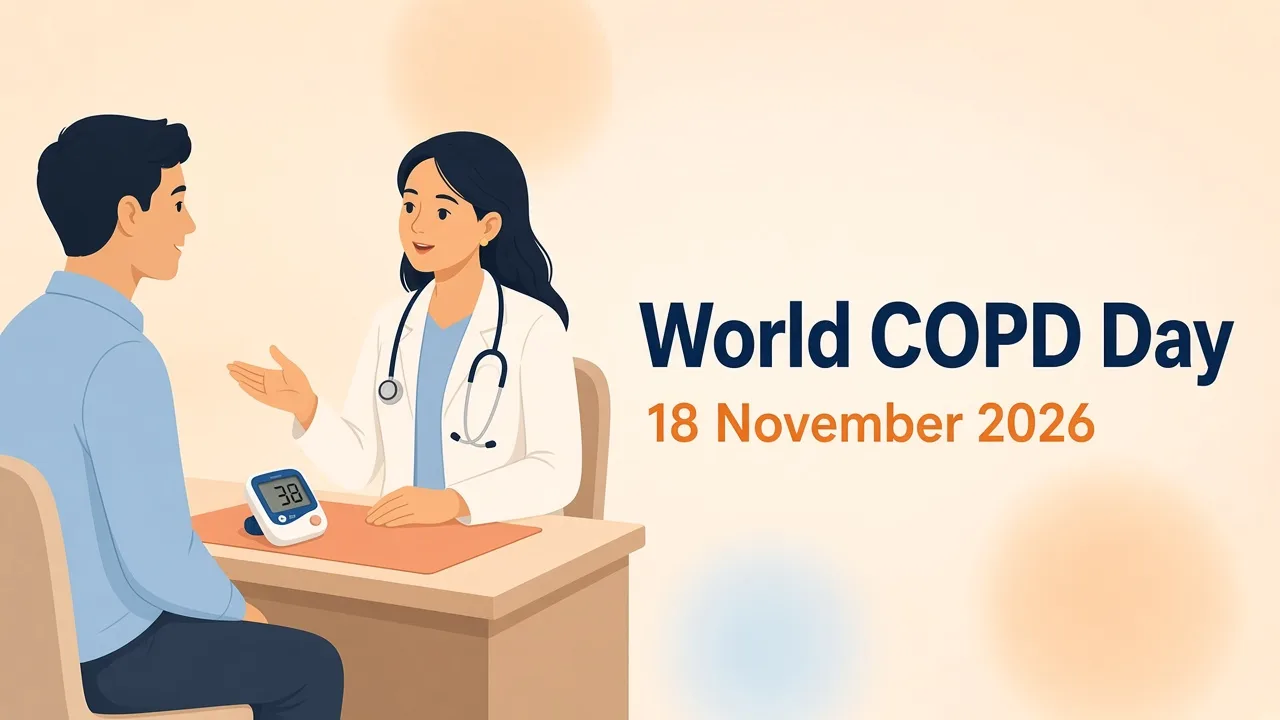
Chronic obstructive pulmonary disease (COPD) is a long-term lung condition that causes persistent breathing difficulties. It commonly includes chronic bronchitis and emphysema, and symptoms may gradually affect everyday activities such as walking, climbing stairs or completing household tasks. COPD is often associated with tobacco smoke, but other exposures—including indoor and outdoor air pollution, occupational dusts and fumes—can contribute. World COPD Day is observed on the third Wednesday of November; in 2026, that date is 18 November. The day encourages earlier recognition, accurate diagnosis and better support for people living with the condition.
Symptoms and when to seek assessment
Common symptoms include breathlessness during activity, a persistent cough, mucus production, wheezing, chest tightness and repeated respiratory infections. Symptoms may develop slowly, so people sometimes adapt their routine without recognising that breathing has changed. A long-term cough or breathlessness should not automatically be attributed to ageing or smoking. Seek medical assessment, especially if symptoms are persistent or worsening. Severe breathlessness at rest, blue lips, confusion, chest pain or sudden deterioration requires urgent care. Early assessment can help identify COPD and other possible causes of respiratory symptoms.
Risk factors and prevention
Smoking is a major risk factor, including exposure to second-hand smoke. COPD can also be associated with household air pollution from cooking fuels, outdoor air pollution, workplace dust and chemicals, previous respiratory infections and genetic conditions such as alpha-1 antitrypsin deficiency. Avoiding tobacco and reducing exposure to harmful fumes are important preventive steps. Workplaces should follow occupational safety standards and provide appropriate protective measures. Homes should have adequate ventilation and safer cooking options where possible. People who smoke can benefit from professional cessation support; quitting can improve health at any stage.
Diagnosis and lung-function testing
A clinician may review symptoms, smoking and exposure history, examine the chest and arrange spirometry. Spirometry measures how much air a person can breathe out and how quickly, and it is central to confirming airflow obstruction. Other tests, such as oxygen measurements, chest imaging or blood tests, may be used to assess severity or investigate other conditions. A diagnosis should not be made from symptoms alone. If you are referred for spirometry, ask how to prepare and whether any medicines should be taken as usual before the test.
Treatment and inhaler technique
COPD treatment aims to reduce symptoms, prevent exacerbations and support quality of life. Depending on the person, treatment may include inhaled bronchodilators, other medicines, pulmonary rehabilitation, vaccination, oxygen therapy for selected patients and support to stop smoking. Inhalers work best when used with the correct technique. Ask a clinician or pharmacist to demonstrate the device and watch you use it. Different inhalers require different steps, and a spacer may be useful with some devices. Do not change medicines or oxygen settings without professional advice.
Daily living and managing flare-ups
Physical activity tailored to ability, pulmonary rehabilitation, adequate nutrition, sleep and vaccination can support health. Plan activities with rest breaks and use breathing techniques taught by a trained professional. A written action plan can explain what to do if breathlessness, cough or sputum changes. Exacerbations can be triggered by respiratory infections or other factors and may require prompt treatment. Keep follow-up appointments and discuss anxiety, low mood or social isolation. Family members can help by understanding the action plan, reducing smoke exposure and supporting treatment without taking away the person's independence.
A practical action plan
People with COPD may benefit from keeping a symptom diary that records breathlessness, cough, sputum changes, activity tolerance and possible triggers. Bring the diary and inhalers to appointments so the care team can review technique and treatment. Ask whether pulmonary rehabilitation is available and whether vaccinations are recommended. Reduce exposure to tobacco smoke, dust and fumes at home and work. A written exacerbation plan should identify whom to contact, which changes need same-day review and when emergency care is required.
COPD symptoms can overlap with asthma, heart disease, anaemia and other conditions. Breathlessness should not be self-diagnosed, especially when it is new or worsening. A clinician may need to investigate more than one cause. People with COPD should know how to use prescribed inhalers, how to clean devices where required and when repeat prescriptions are due. Avoid using another person's inhaler or oxygen equipment. If treatment is difficult to afford or use, tell the care team; alternative devices, education or support may be available.
Common questions
- Is COPD the same as asthma? No. Both can cause airflow problems, but they are different conditions. Some people may have features of both, so assessment is important.
- Can COPD be cured? There is no general cure, but treatment, smoking cessation and rehabilitation can reduce symptoms and help prevent worsening.
- What test confirms COPD? Spirometry is central to confirming persistent airflow obstruction and should be interpreted by a qualified clinician.
- Can people with COPD exercise? Many benefit from appropriately supervised activity or pulmonary rehabilitation. The plan should match their health and ability.
- When is a COPD flare-up an emergency? Severe breathlessness, blue lips, confusion, chest pain or rapid deterioration requires urgent medical attention.
Keep reports, prescriptions and vaccination records for your family together in MyMedicare.
Create a free account