
World Children's Day: Building Healthy Foundations Through Nutrition, Immunisation and Care
Explore essential child-health practices including nutrition, immunisation, development checks, oral health, sleep and timely medical care.
- Written by
- MyMedicare Editorial Team
- Published
- Reading time
- 4 min read
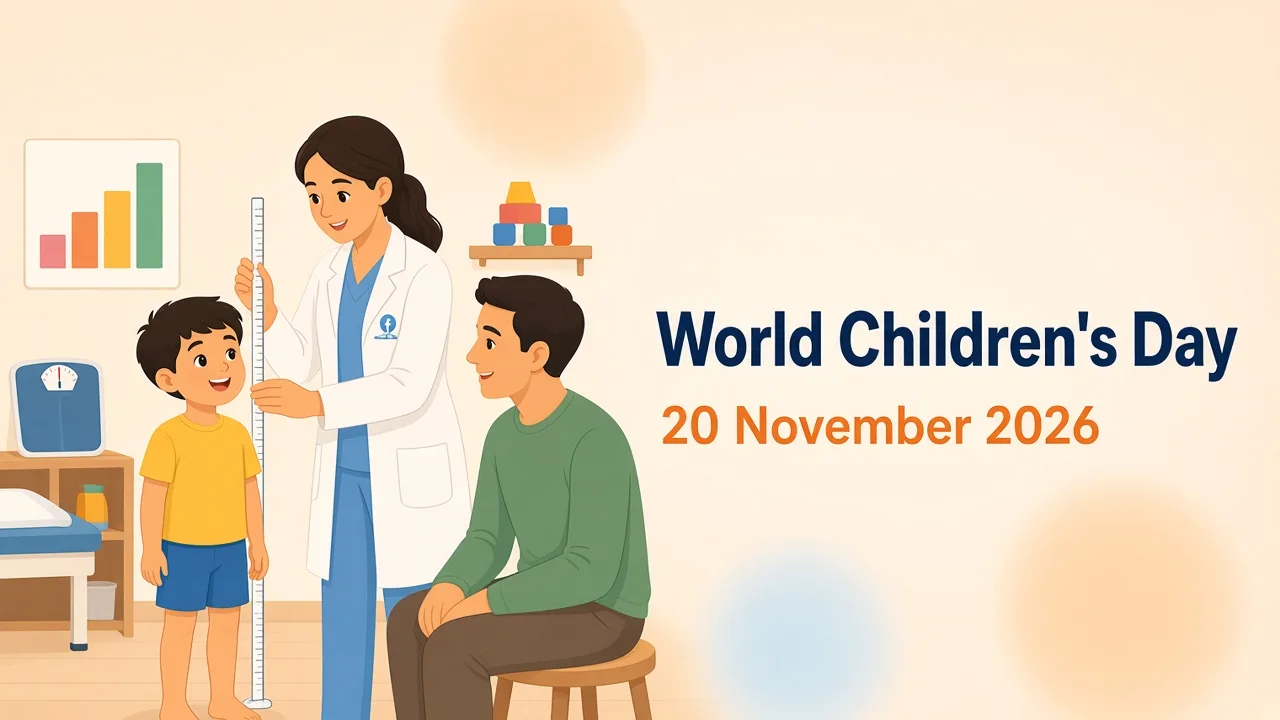
Children need more than treatment when they become ill. They need safe environments, nutritious food, clean water, affection, opportunities to learn and access to preventive healthcare. World Children's Day on 20 November highlights children's rights and wellbeing, including the right to health and development. Families, schools, communities and healthcare services all have a role in helping children grow safely. Everyday actions—such as following immunisation schedules, attending growth checks and creating healthy routines—can build a strong foundation for lifelong wellbeing.
Nutrition for growth and development
A balanced diet supports physical growth, brain development, immunity and energy. Depending on age, children's meals may include vegetables, fruits, pulses, whole grains, dairy or suitable alternatives, and protein-rich foods such as eggs, fish or other culturally appropriate options. Infants should receive feeding support based on current paediatric and public-health guidance. Avoid using restrictive diets or supplements without professional advice. Encourage regular meals and water, and make healthy foods familiar through patient repetition. Appetite changes are common, but persistent poor growth, feeding difficulty or weight concerns should be discussed with a healthcare professional.
Immunisation and preventive visits
Vaccines protect children against serious infectious diseases. Follow the national immunisation schedule and keep the child's vaccination record updated. If a dose has been missed, ask a healthcare professional about catch-up vaccination rather than assuming the series must be restarted. Routine health visits can also monitor height, weight, development, vision, hearing, oral health and nutrition. These appointments provide an opportunity to discuss sleep, behaviour, school concerns and safety. Vaccination questions are reasonable; ask a qualified clinician to explain expected side effects, benefits and any genuine contraindications.
Development, learning and emotional wellbeing
Children develop at different rates, but developmental surveillance helps identify when additional support may be useful. Parents and caregivers can observe communication, movement, play, social interaction and learning. If a child loses skills they previously had, does not respond to sounds, has persistent communication difficulties or causes concern in another area, seek assessment. Supportive relationships, play, reading, conversation and predictable routines help children feel secure. Listen without dismissing worries, praise effort and provide age-appropriate opportunities to explore. Emotional wellbeing deserves attention just as physical health does.
Sleep, movement and screen habits
Regular sleep supports growth, learning, mood and attention. Bedtime routines, consistent schedules and a calm sleeping environment can help. Active play and age-appropriate movement support fitness, coordination and healthy development. Encourage outdoor activity when conditions are safe and use suitable sun and road-safety precautions. Screen use should be balanced with sleep, movement, reading and face-to-face interaction. Keep devices away during meals and before bedtime when possible, and choose age-appropriate content. The right approach depends on the child's age, development and family circumstances.
Safety, oral health and when to seek care
Child safety includes car restraints, helmets where appropriate, safe storage of medicines and chemicals, water supervision, burn prevention and protection from violence or neglect. Begin oral hygiene early and arrange dental care according to professional guidance. Seek urgent care for difficulty breathing, seizures, severe dehydration, unusual drowsiness, serious injury or other emergency signs. For infants, fever or poor feeding may require prompt assessment. Parents should trust their concern and seek advice when a child is unusually unwell. Keep emergency contacts and important medical information accessible.
A practical action plan
Parents can prepare for a child's health visit by noting questions about appetite, sleep, school, mood, movement, medicines and development. Carry the immunisation record and any previous reports. Share concerns openly, including changes in behaviour or learning; these are valid health topics. Avoid comparing siblings or children in social media posts. If a child has a long-term condition, ask the school and healthcare team how to coordinate care, emergency plans and reasonable adjustments while protecting the child's privacy.
A child's health is shaped by conditions beyond the clinic, including housing, food security, clean air, safe roads, education and protection from violence. Families should not be blamed when these resources are difficult to access. Schools and communities can support health by providing safe drinking water, clean toilets, inclusive play spaces and clear referral pathways when a child needs help. Healthcare services should communicate in language caregivers understand and include children in age-appropriate discussions about their own wellbeing.
Caregivers should also keep health information organised when a child sees more than one provider. A current medicine list, allergy information, immunisation record and copies of important reports can prevent confusion and support continuity between clinics, hospitals and schools. Share only the information needed for the child's care and protect personal records.
Common questions
- How often should a child have a health checkup? The schedule varies by age, health and local guidance. Follow recommended well-child visits and attend sooner if concerns arise.
- What if my child missed a vaccine? Contact a healthcare professional or immunisation clinic for a catch-up plan. Do not guess the schedule.
- How can I encourage healthy eating? Offer varied foods repeatedly, eat together when possible and avoid using pressure or shame around food.
- Are developmental milestones the same for every child? No. There is a range of typical development, but loss of skills or persistent concerns should be assessed.
- When should a sick child receive urgent medical care? Seek urgent help for breathing difficulty, seizures, severe dehydration, unusual unresponsiveness, serious injury or other severe symptoms.
Keep reports, prescriptions and vaccination records for your family together in MyMedicare.
Create a free account