
Antimicrobial Resistance: Why Responsible Use of Antibiotics Protects Everyone
Learn what antimicrobial resistance is, why antibiotics must be used responsibly and how patients and healthcare teams can help prevent resistant infections.
- Written by
- MyMedicare Editorial Team
- Published
- Reading time
- 4 min read
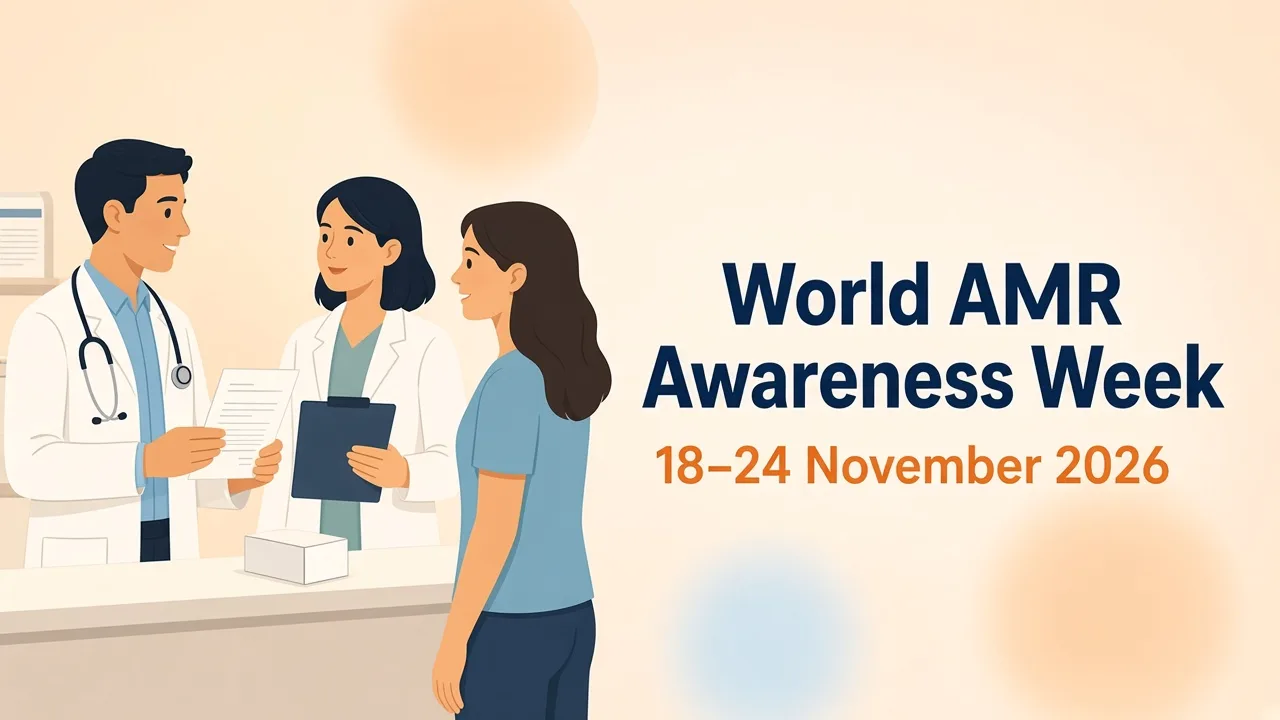
Antimicrobial medicines—including antibiotics, antivirals, antifungals and antiparasitic medicines—help prevent and treat infections. Antimicrobial resistance (AMR) occurs when microorganisms change over time and no longer respond to medicines that once worked against them. As a result, infections can become harder to treat and may spread more easily. AMR is a serious public-health challenge, but it is not inevitable or beyond control. World Antimicrobial Resistance Awareness Week takes place from 18 to 24 November and encourages people, healthcare professionals, farmers and policymakers to use antimicrobials responsibly and strengthen infection prevention.
How resistance develops
Resistance develops in microorganisms, not in a person's body. Microbes can acquire changes that help them survive exposure to a medicine. The unnecessary or incorrect use of antimicrobials creates selection pressure: susceptible microbes are removed while resistant ones may survive and multiply. Resistance can spread between microbes and across people, animals, food systems and the environment. It is important to understand that taking an antibiotic for a viral cold does not make the cold go away; it can expose bacteria in the body to an unnecessary medicine and contribute to resistance.
Why antibiotics do not treat every infection
Antibiotics act against bacteria, not viruses. Colds, most sore throats and many cases of acute cough are caused by viruses, so antibiotics are usually not useful for these illnesses. Some bacterial infections do require antibiotics, and delaying appropriate treatment can be harmful. The decision depends on symptoms, examination, risk factors and sometimes test results. Do not pressure a clinician to prescribe antibiotics, and do not use medicines left over from a previous illness. A medicine that was appropriate for one person or infection may be unsafe or ineffective for another.
Safe use when antibiotics are prescribed
Take an antibiotic only when prescribed for you by an authorised healthcare professional. Follow the dose, timing and duration on the prescription and ask what to do if you miss a dose or develop side effects. Do not share antibiotics, save them for a future illness or change the dose yourself. If symptoms are not improving, worsen or return, contact the prescriber rather than starting another medicine independently. Advice about duration can vary by infection and medicine, so follow the specific instructions given to you rather than relying on a general rule from social media.
Infection prevention reduces the need for medicines
Hand hygiene, safe food handling, clean water, sanitation, ventilation, appropriate vaccination and staying home when infectious can reduce the spread of many infections. Healthcare facilities should follow cleaning, sterilisation, isolation and infection-control procedures. Vaccination can prevent some infections and reduce the need for antimicrobial treatment. In communities, access to safe sanitation and reliable health information is important. In animal health and agriculture, antimicrobials should be used under appropriate professional oversight, and good husbandry and infection prevention should be strengthened.
The role of antimicrobial stewardship
Antimicrobial stewardship means using the right medicine, at the right dose, by the right route, for the right duration, when it is clinically needed. Healthcare teams may use diagnostic tests, local resistance data and treatment guidelines to choose therapy. Hospitals monitor antibiotic use and resistance patterns and review treatment when results become available. Patients can contribute by describing symptoms accurately, sharing allergies and current medicines, following instructions and avoiding self-medication. Pharmacists can reinforce safe-use information and direct patients back to a clinician when a prescription or treatment plan needs clarification.
A practical action plan
When receiving a prescription, ask what infection is being treated, whether the medicine is an antibiotic, how and when to take it, what side effects require help and what to do if a dose is missed. Tell the prescriber about allergies, pregnancy, kidney or liver conditions and other medicines. Store medicines as directed and return unused or expired medicines through an appropriate pharmacy or local disposal programme where available. Never use an antibiotic prescribed to another person, even if their symptoms seem similar.
AMR is sometimes described as a future problem, but resistant infections already affect healthcare. They can make routine procedures, cancer treatment, surgery and care for premature babies more difficult when effective medicines are limited. The response must therefore include surveillance, laboratory capacity, clean water, sanitation, vaccination, infection prevention and access to quality medicines. Responsible use does not mean withholding antibiotics when they are needed. It means using them thoughtfully, guided by clinical assessment and reliable evidence, while avoiding unnecessary exposure.
Common questions
- What is antimicrobial resistance? It is the ability of microorganisms to survive or grow despite medicines that previously worked against them.
- Can I take antibiotics for a common cold? Most common colds are caused by viruses, so antibiotics do not treat the cause. Seek medical advice if symptoms are severe, persistent or concerning.
- Should I stop antibiotics when I feel better? Follow the specific prescription and advice from your clinician. Do not stop, extend or change treatment on your own.
- Can antibiotic resistance spread to other people? Yes. Resistant microorganisms can spread through contact, healthcare settings, food systems and the environment.
- How can families help prevent AMR? Avoid self-medication, use antibiotics only when prescribed, follow instructions, practise hand hygiene and keep vaccinations up to date.
Keep reports, prescriptions and vaccination records for your family together in MyMedicare.
Create a free account