
National Stress Awareness Day 2026: 10 Simple Ways to Reduce Stress and Improve Your Mental Health
How stress affects your health, the signs to watch for, and 10 simple ways to manage it.
- Written by
- MyMedicare Editorial Team
- Published
- Reading time
- 6 min read
Deadlines, bills, traffic, family responsibilities, health worries: stress has become a part of daily life for many of us. A little stress can help you stay alert and focused, but when it builds up day after day, it can affect your sleep, your mood, your relationships and your physical health.
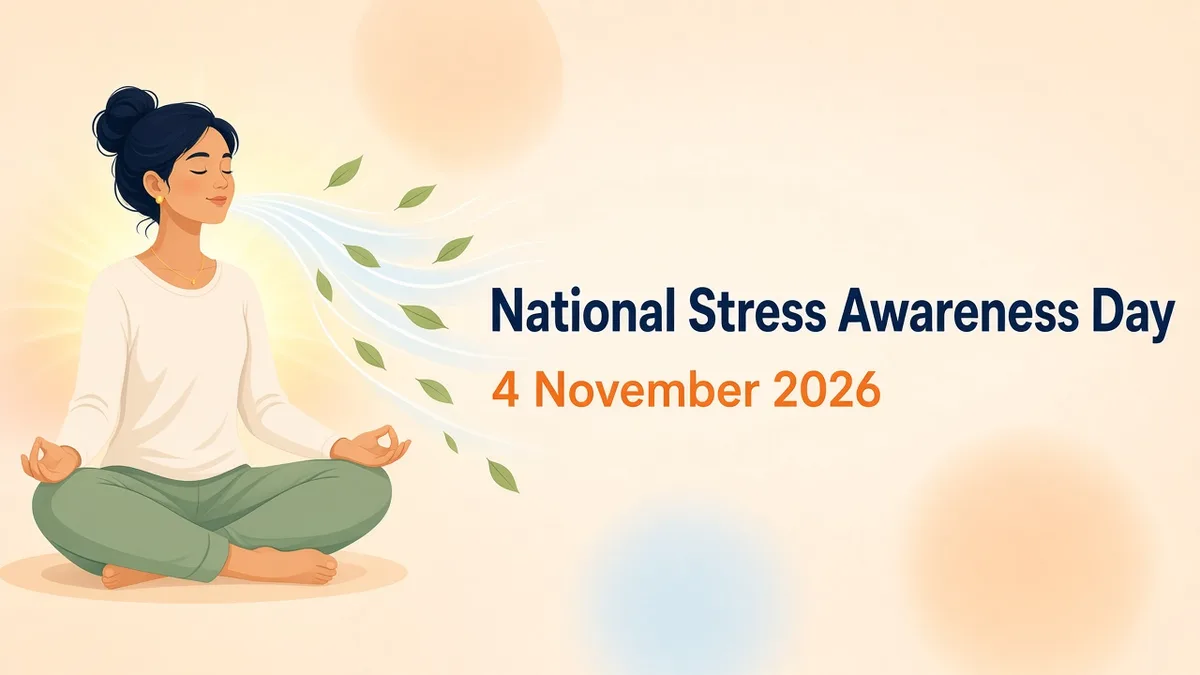
National Stress Awareness Day is observed on the first Wednesday of November, which falls on 4 November in 2026. Started in 1998 by the International Stress Management Association (ISMA UK), the day encourages people to recognise stress early, talk about it openly and take simple steps to manage it.
What is stress and how does it affect health?
The World Health Organization describes stress as a state of worry or mental tension caused by a difficult situation. It is a natural human response that prompts us to deal with challenges and threats. Everyone experiences stress to some degree; what matters is how we respond to it.
When you feel stressed, your body releases hormones such as adrenaline and cortisol. Your heart beats faster, your breathing quickens and your muscles tense, preparing you to react. This response is useful in short bursts. When stress continues for weeks or months, however, it may contribute to:
- Poor sleep and constant tiredness
- Headaches and muscle pain
- Digestive problems such as acidity or an upset stomach
- Raised blood pressure
- Difficulty concentrating and making decisions
- Anxiety, irritability or low mood
- Unhealthy coping habits, such as smoking, alcohol or overeating
Common causes of everyday stress
Stress can come from many sources, and what feels stressful varies from person to person. Common triggers include:
- Work pressure, long hours or job insecurity
- Financial worries and debt
- Exams and academic pressure
- Relationship or family conflicts
- Caring for children, elderly parents or a sick family member
- Health problems, for yourself or a loved one
- Major life changes such as moving, marriage or losing a job
- Constant screen time, social media and news overload
Physical and emotional symptoms of stress
Stress shows up in both the body and the mind. Watch for signs like these:
| Physical symptoms | Emotional and behavioural symptoms |
|---|---|
| Headaches | Feeling overwhelmed or on edge |
| Tight shoulders, neck or jaw | Irritability or anger |
| Fatigue and low energy | Worrying constantly or racing thoughts |
| Trouble falling or staying asleep | Difficulty concentrating |
| Stomach upset or changes in appetite | Withdrawing from friends and family |
| Fast heartbeat | Losing interest in things you usually enjoy |
10 simple ways to reduce stress
- 1Take slow, deep breaths. When stress builds, pause and breathe in slowly through your nose for a count of four, then breathe out through your mouth for a count of six. A few minutes of slow breathing can help your body feel calmer.
- 2Move your body every day. A brisk walk, cycling, yoga, dancing or sport can lift your mood and release tension. The WHO recommends that adults get at least 150 minutes of moderate physical activity a week.
- 3Make sleep a priority. Most adults need 7 to 9 hours of sleep. Keep a regular bedtime, avoid screens for an hour before bed and keep your bedroom dark and cool.
- 4Eat regular, balanced meals. Skipping meals and relying on sugary snacks can leave you tired and irritable. Include whole grains, vegetables, fruit, pulses and enough water through the day.
- 5Cut down on caffeine, alcohol and tobacco. They may seem to help in the moment, but they can disturb your sleep and make anxiety worse over time.
- 6Take breaks from screens and news. Set times to check messages and social media, and give yourself screen-free time each day, especially before bed.
- 7Plan your day and set realistic priorities. Break large tasks into smaller steps, focus on what matters most and learn to say no when your plate is already full.
- 8Stay connected with people you trust. Talking to a friend, family member or colleague about what is on your mind can make problems feel more manageable.
- 9Make time for relaxation and things you enjoy. Meditation, prayer, music, reading, gardening or time outdoors can help you recharge. Even 10 to 15 minutes a day makes a difference.
- 10Ask for professional help when you need it. Seeking support from a doctor, counsellor or mental health professional is a sign of strength, not weakness.
Why sleep, exercise and relaxation matter
Sleep gives your body and mind time to recover. Lack of sleep can make you more sensitive to stress, and stress in turn can make it harder to sleep, creating a cycle that is worth breaking early.
Exercise helps use up stress hormones and releases endorphins, chemicals that improve mood. Regular physical activity also supports heart health, weight management and better sleep.
Relaxation techniques such as deep breathing, meditation and yoga help switch off the body's stress response. Building them into your daily routine, rather than waiting until you feel overwhelmed, gives the best results.
When to seek professional mental health support
Talk to a doctor or mental health professional if:
- Your symptoms last for more than two weeks or keep getting worse
- Stress is affecting your work, studies or relationships
- You have trouble sleeping most nights
- You rely on alcohol, tobacco or other substances to cope
- You experience panic attacks or constant anxiety
- You feel hopeless, or have thoughts of harming yourself
You can start with your family doctor, who can check for other medical causes and refer you to a psychiatrist, psychologist or counsellor if needed. The Government of India's Tele-MANAS helpline offers free, confidential mental health support 24x7 in multiple languages on 14416 or 1-800-891-4416.
How MyMedicare can help
Find doctors and partner hospitals near you, and keep your prescriptions and reports in one place so every consultation starts with your full health history.
Create your free accountFrequently asked questions
- When is National Stress Awareness Day 2026? It is observed on the first Wednesday of November, which is 4 November 2026.
- Is all stress bad for you? No. Short-term stress can help you focus and respond to challenges. Stress becomes a concern when it is intense or continues for a long time.
- Can stress cause physical health problems? Long-term stress may contribute to headaches, sleep problems, digestive issues and raised blood pressure. See a doctor if physical symptoms persist.
- What is the quickest way to calm down when stressed? Slow, deep breathing, stepping away from the situation for a few minutes or going for a short walk can help you feel calmer.
- Where can I get free mental health support in India? You can call the Tele-MANAS helpline on 14416 or 1-800-891-4416, available 24x7. In an emergency, call 112.
Conclusion
Stress is a normal part of life, but it should not take over your life. Small daily habits, such as breathing slowly, staying active, sleeping well, eating regularly and staying connected with others, can make a real difference. And when stress feels like too much to handle alone, reaching out for help is the right step.