
National Milk Day: Understanding Milk, Nutrition and Healthy Choices for Every Age
Explore the nutrients in milk, its role in a balanced diet, alternatives for people who avoid dairy and safe milk handling practices.
- Written by
- MyMedicare Editorial Team
- Published
- Reading time
- 5 min read
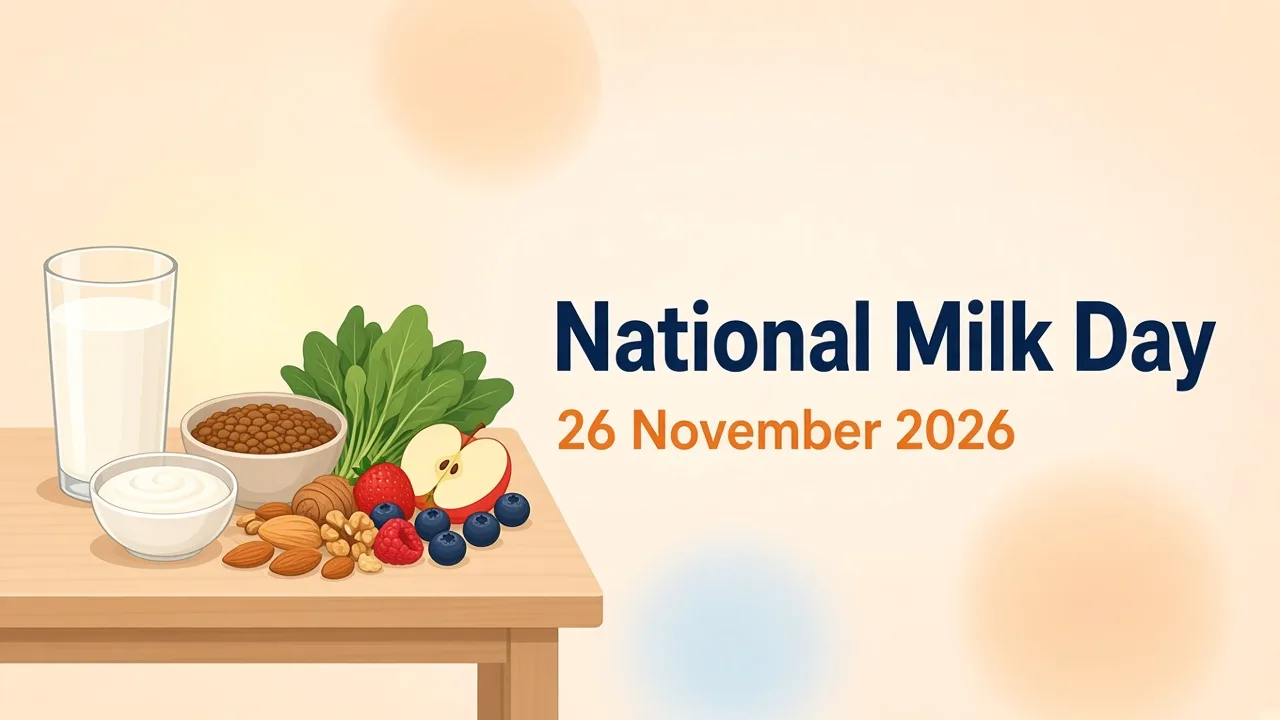
Milk is a familiar part of many diets and can provide useful nutrients, including protein, calcium, vitamin B12 and, where fortified, vitamin D. National Milk Day in India is observed on 26 November in recognition of Dr Verghese Kurien and the contribution of the dairy cooperative movement. The day is an opportunity to discuss nutrition in a balanced way: milk can be one useful food, but it is not essential or suitable for everyone. Age, allergies, lactose intolerance, dietary preferences and overall eating patterns all influence the best choice.
Nutrients found in milk
The nutrient profile of milk varies by type and processing. Milk naturally provides high-quality protein and calcium, while some products are fortified with vitamin D or other nutrients. Protein supports growth and tissue repair; calcium contributes to bones and teeth and is involved in muscle and nerve function. Milk also contains carbohydrates in the form of lactose. Fat content differs between whole, reduced-fat and skimmed options. No single food supplies every nutrient, so milk should be considered within a varied diet that includes vegetables, fruits, pulses, grains, nuts or seeds and other suitable protein sources.
Milk across different life stages
Nutritional needs change throughout life. Children need adequate energy, protein and micronutrients for growth, but the right milk choice and quantity depend on age and feeding stage. Infants should receive breast milk or appropriate infant formula according to clinical guidance; ordinary cow's milk is not a substitute for breast milk or infant formula during the first year. Older children and adults may use dairy foods as one source of calcium and protein. Older adults may need particular attention to protein, vitamin D and bone health. A clinician or dietitian can help when dietary needs are complex.
Lactose intolerance and milk allergy
Lactose intolerance occurs when the body has difficulty digesting lactose, the natural sugar in milk. It may cause bloating, gas, abdominal discomfort or diarrhoea after consuming dairy. Some people tolerate small amounts, yoghurt or lactose-free milk; others prefer fortified alternatives. Milk allergy is different: it involves an immune reaction to milk proteins and can cause symptoms ranging from hives or vomiting to a severe allergic reaction. People with a diagnosed allergy should avoid the relevant milk proteins and follow their clinician's emergency plan. Do not test a suspected allergy at home.
Choosing alternatives and building a balanced diet
People who do not consume dairy can obtain calcium and protein from suitable alternatives such as calcium-fortified plant beverages, tofu prepared with calcium salts, beans, lentils, selected leafy greens, nuts and seeds. Nutrient content varies widely between products, so read labels for protein, calcium, vitamin D, added sugar and fortification. Some plant beverages contain much less protein than dairy milk. Choose an alternative that meets the person's nutritional needs and is appropriate for age. For children, pregnancy, older age or restricted diets, seek professional advice to avoid nutrient gaps.
Safe handling and food hygiene
Milk is perishable and should be handled safely. Choose products from reliable sources, check packaging and expiry information, follow refrigeration instructions and avoid consuming milk that smells or looks spoiled. Use pasteurised milk unless a qualified healthcare professional gives specific advice otherwise; raw milk can contain harmful organisms. Keep milk refrigerated and avoid leaving it at room temperature for extended periods. Use clean containers and utensils, and do not return unused milk from a drinking cup to the original container. Food safety is important for everyone and especially for young children, pregnant people and those with weakened immunity.
A practical action plan
When comparing milk or alternatives, check the nutrition label rather than relying only on front-of-pack claims. Look at protein, calcium, vitamin D, added sugar and serving size. Fortification differs by brand and country. If you follow a vegan or dairy-free diet, plan reliable sources of calcium, vitamin B12, protein and other nutrients rather than replacing milk with a low-protein drink automatically. Children, pregnant people and older adults may have additional needs, so seek a dietitian's advice if food choices are restricted.
Nutrient needs are best assessed across the whole diet. A person who does not drink milk may still meet calcium needs through fortified foods and other sources, while someone who drinks milk may still have an unbalanced diet. Added sugar in flavoured milk products can be substantial, so compare labels and consider plain options where appropriate. People with chronic kidney disease or specific metabolic conditions may need individual advice about protein, potassium, phosphorus or calcium. General nutrition messages should not replace a personalised plan when a medical condition affects food choices.
Common questions
- Is milk necessary for strong bones? Milk can provide calcium and protein, but these nutrients can also come from other foods. Bone health also depends on vitamin D, activity and other factors.
- Is lactose-free milk still nutritious? Lactose-free dairy milk generally retains protein and calcium; the lactose is broken down or removed.
- Can plant-based drinks replace milk? Some fortified options can fit a balanced diet, but protein and micronutrient content vary. Check labels and consider age-specific needs.
- Is raw milk safer because it is less processed? No. Raw milk can contain harmful microorganisms. Pasteurisation reduces the risk of foodborne infection.
- Can infants drink regular cow's milk? Regular cow's milk should not replace breast milk or infant formula as the main drink before 12 months. Follow paediatric guidance.
Keep reports, prescriptions and vaccination records for your family together in MyMedicare.
Create a free account