
Cancer Awareness: Understanding Risk, Recognising Warning Signs and Taking Action Early
Learn about cancer risk factors, possible warning signs, screening, prevention and the importance of timely medical advice on National Cancer Awareness Day 2026.
- Written by
- MyMedicare Editorial Team
- Published
- Reading time
- 5 min read
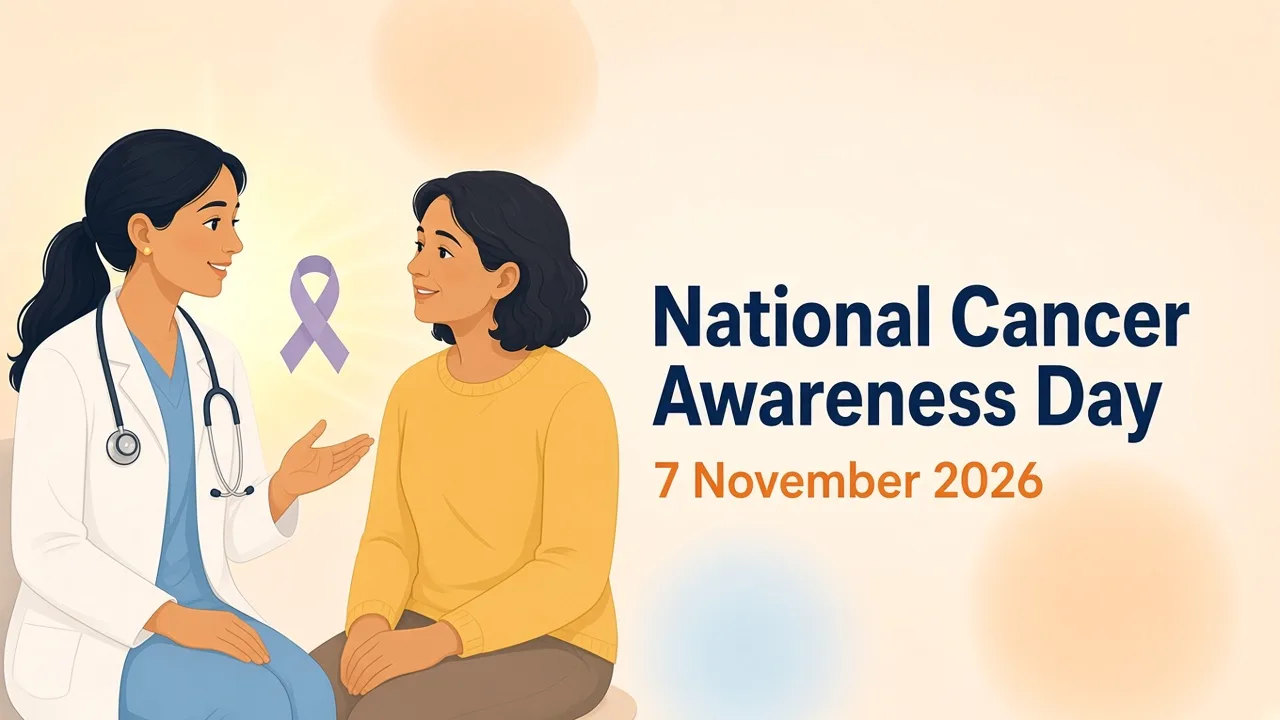
Cancer is a group of diseases in which abnormal cells grow in an uncontrolled way and may invade nearby tissues or spread to other parts of the body. It is not one single illness: different cancers behave differently, have different risk factors and require different approaches to diagnosis and treatment. National Cancer Awareness Day in India, observed on 7 November, is an opportunity to encourage informed conversations about prevention, early diagnosis, access to care and support for people affected by cancer. Awareness does not mean living in fear. It means knowing which steps can reduce risk and when a symptom deserves medical attention.
Why awareness and early diagnosis matter
Many cancers are more treatable when identified at an earlier stage, although outcomes depend on the cancer type, its biology, the stage at diagnosis and the person's overall health. Early diagnosis begins when people recognise a persistent or unusual change and seek assessment rather than repeatedly postponing it. Screening is different: it is testing offered to people who do not have symptoms, to identify certain cancers or precancerous changes before they cause problems. Not every cancer has a recommended population screening test, and screening recommendations vary by age, sex, personal history and local clinical guidance. A healthcare professional can explain which tests are appropriate and their possible benefits and limitations.
Risk factors: what can and cannot be changed
Cancer risk can be influenced by tobacco use, alcohol consumption, certain infections, ultraviolet radiation, air pollution, occupational exposures, excess body weight, physical inactivity, diet and inherited genetic factors. Age is also an important risk factor for many cancers. Some risks can be reduced through practical choices, such as avoiding tobacco, limiting or avoiding alcohol, protecting skin from excessive sun exposure, maintaining regular physical activity and following recommended vaccination guidance. Other risks cannot be controlled, including age and some inherited predispositions. A family history does not mean that cancer is inevitable; it may mean that a clinician should assess whether earlier or additional screening is appropriate.
Warning signs that deserve medical attention
Possible warning signs include a new lump or swelling, unexplained weight loss, persistent fatigue, unusual bleeding, a change in bowel or bladder habits, a sore that does not heal, a persistent cough or hoarseness, difficulty swallowing, or a change in the appearance of a mole. These symptoms are common and often have causes other than cancer. Their significance depends on duration, severity, associated symptoms and personal risk. Do not diagnose yourself from an online checklist. Arrange a medical review if a symptom is unexplained, persistent, worsening or unusual for you. Seek urgent care for severe bleeding, breathing difficulty, sudden serious illness or other emergency symptoms.
Screening and conversations with a clinician
Ask your healthcare professional which cancer screening tests are recommended for your age and health history. Depending on local guidance, screening may include tests for cervical, breast or colorectal cancer in eligible groups. A clinician may ask about previous test results, family history, tobacco exposure, reproductive history and other relevant factors. Before a test, understand what it looks for, how accurate it is, what an abnormal result might mean and whether follow-up procedures may be needed. Screening is not a guarantee that cancer will never develop, and a normal result does not mean that new symptoms should be ignored.
Everyday prevention and supportive care
Avoid all forms of tobacco, including smokeless tobacco. If you use tobacco, ask about evidence-based support to stop; repeated attempts are common and support can improve the chance of success. Choose a varied eating pattern with vegetables, fruits, pulses, whole grains and appropriate protein sources. Move regularly in a way that suits your ability, maintain a healthy weight where possible and use sun protection. Follow recommended vaccinations, including HPV and hepatitis B vaccination where indicated. People receiving cancer treatment may need help with nutrition, pain, emotional wellbeing, transport and treatment costs. Family members can support by listening, attending appointments when invited and helping the person understand care instructions without making decisions on their behalf.
A practical action plan
For a practical next step, prepare a short personal health summary before your next appointment. Include current symptoms and when they began, previous diagnoses, medicines and supplements, tobacco or occupational exposures, previous screening dates and relevant family history. Ask which screening tests are recommended for you, when they should be repeated and what follow-up is needed after an abnormal result. If you receive a report you do not understand, ask the treating clinician to explain the findings and the next step. Avoid interpreting isolated phrases from a report without clinical context.
Cancer information online can be confusing because risk statistics are often presented without explaining age, population or cancer type. A relative risk increase does not automatically mean that an individual will develop cancer. Screening tests can also produce false-positive or false-negative results, which is why eligibility and follow-up matter. Reliable information should identify the cancer type, the population studied and the date of the guidance. Use reputable public-health agencies and your treating team for decisions. Avoid products that claim to prevent or cure cancer without sound evidence; delaying proven care can cause harm.
Common questions
- Does every lump mean cancer? No. Many lumps are caused by infections, cysts or other non-cancerous conditions. A new or changing lump should still be assessed by a qualified healthcare professional.
- Can cancer be prevented? Not all cancers can be prevented, but avoiding tobacco, limiting alcohol, vaccination where recommended, sun protection and healthy lifestyle habits can reduce the risk of some cancers.
- Should I get a full-body cancer test every year? There is no single full-body test proven to screen for every cancer. Ask a clinician about screening tests recommended for your age and individual risk.
- If I have no symptoms, do I need screening? Some screening tests are designed for people without symptoms. Eligibility depends on the cancer type, age, history and local guidelines.
- Where should I start if cancer runs in my family? Write down which relatives were affected and their age at diagnosis, then discuss the information with a clinician. They can assess whether genetic counselling or a modified screening plan is appropriate.
Keep reports, prescriptions and vaccination records for your family together in MyMedicare.
Create a free account