
Ending Violence Against Women: Recognising the Health Impact and Finding Support
Learn how violence affects physical and mental health, how to respond safely and where survivors can seek confidential medical and support services.
- Written by
- MyMedicare Editorial Team
- Published
- Reading time
- 4 min read
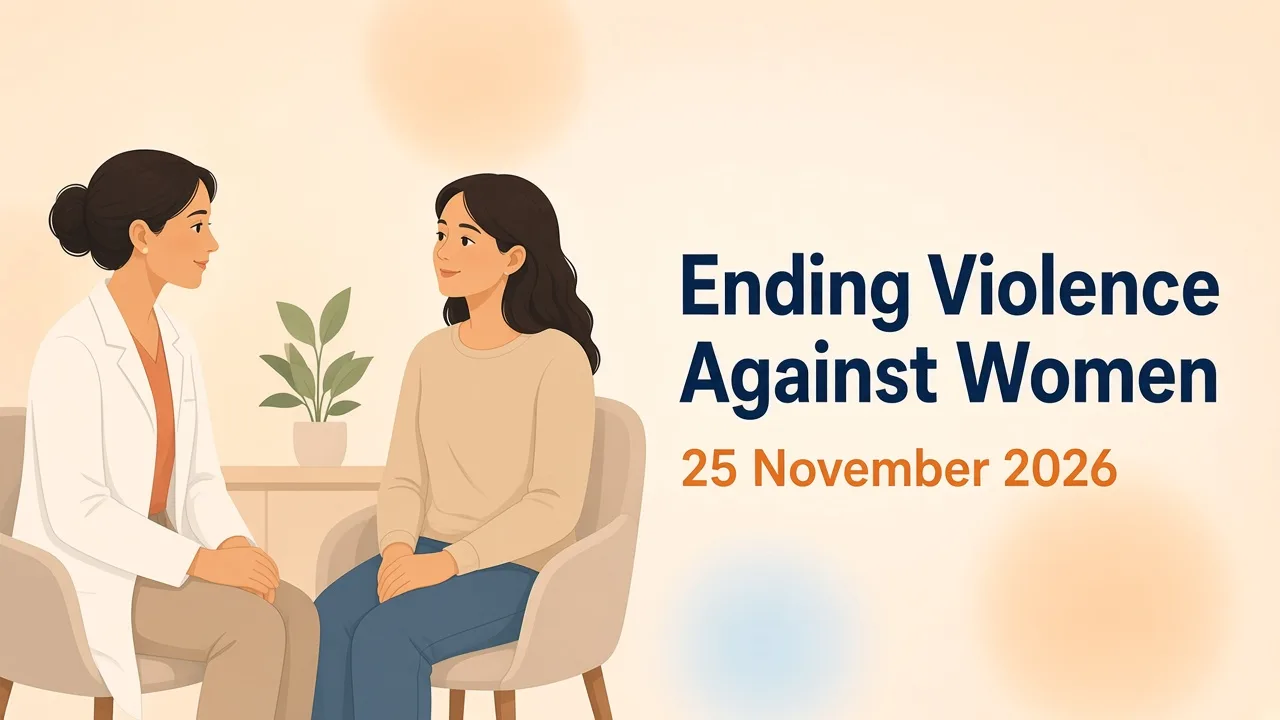
Violence against women is a serious human-rights and public-health issue. It can include physical, sexual and psychological abuse, coercive control, stalking, harassment, harmful practices and economic abuse. Its effects may be immediate or continue for years, influencing physical health, mental wellbeing, relationships, education and financial security. The International Day for the Elimination of Violence against Women on 25 November calls attention to prevention, accountability and support for survivors. Healthcare settings can play an important role by offering respectful, private and non-judgemental care.
Understanding the health consequences
Violence can cause injuries, chronic pain, reproductive and sexual health concerns, unwanted pregnancy, sexually transmitted infections and sleep problems. Survivors may also experience anxiety, depression, post-traumatic stress symptoms, substance-use problems or thoughts of self-harm. Not every survivor responds in the same way, and distress may emerge immediately or later. Health effects can be compounded when a person is isolated, financially dependent or unable to access care. Healthcare professionals should recognise that a patient may not feel safe disclosing abuse, and that asking about safety requires sensitivity and privacy.
Responding with safety and respect
If someone tells you they are experiencing violence, listen calmly, believe them and avoid blaming questions. Do not pressure the person to disclose details or make decisions before they are ready. Ask what support they want and whether they are in immediate danger. If there is an immediate threat or serious injury, help them access emergency services if it is safe to do so. Do not confront the alleged abuser or share the person's information without consent unless a legal or immediate safety obligation applies. Respecting autonomy is central to survivor-centred support.
Healthcare and confidential support
A healthcare professional can assess injuries, discuss sexual and reproductive health needs, provide time-sensitive care where appropriate, document findings with consent and refer to counselling or specialist services. The person should be told what information may remain confidential and any limits to confidentiality before sensitive details are recorded or shared. If the survivor is concerned about privacy, they can ask to speak to a clinician alone. Medical care should not depend on whether a person chooses to report to police. Available services and legal procedures differ by location, so seek locally verified guidance.
Planning for safety
Safety planning is individual and should not increase risk. It may involve identifying a trusted person, keeping essential documents and medicines accessible, arranging a safe place to go, planning transport and agreeing on a code word with someone trusted. Digital safety matters: shared devices, location services, browsing history and account access may expose a person's plans. Use a safer device when possible and avoid making changes that could alert an abusive person. A trained support organisation can help assess risks and develop a plan that fits the person's circumstances.
Prevention and the role of communities
Preventing violence requires more than asking survivors to stay safe. It involves challenging harmful gender norms, teaching consent and respectful relationships, strengthening laws and services, supporting economic independence, making schools and workplaces safer and holding perpetrators accountable. Men and boys can contribute by challenging harassment, refusing to excuse abuse and modelling respectful behaviour. Employers, educators, healthcare teams and community leaders should have clear reporting and response procedures. Awareness campaigns are most useful when they connect people to real services, protect privacy and avoid sensationalising survivors' experiences.
A practical action plan
If you are supporting a person affected by violence, let them choose the pace and type of help. Ask whether it is safe to call, text or leave a message before contacting them again. Do not store sensitive information on a shared device or send links that could be discovered by someone monitoring their activity. A trusted local service can explain options for medical care, counselling, shelter and legal support. If you are a professional, follow your organisation's safeguarding procedures and document only what is necessary, accurately and with attention to consent and privacy.
Violence is never the survivor's fault. People may stay in or return to an unsafe relationship for many reasons, including threats, finances, children, immigration concerns, disability, stigma or fear of retaliation. A simple instruction to leave may overlook real risks. Support should be practical, confidential and led by the survivor's needs. Healthcare professionals should avoid assumptions based on appearance, income, relationship status or culture. Organisations can help by training staff, creating private consultation spaces and making referral information available without requiring a person to disclose publicly.
Common questions
- Is violence only physical? No. It can include sexual, emotional, psychological, economic and technology-facilitated abuse, as well as coercive control and stalking.
- How can I support someone who discloses abuse? Listen without judgement, believe them, ask what they need and avoid pressuring them. Help them connect with safe, trusted services if they wish.
- Should a survivor seek medical care even without visible injuries? Yes. Medical professionals can assess hidden injuries and discuss emotional, sexual and reproductive health needs.
- Is it safe to confront the person causing harm? Confrontation can increase danger. Prioritise the survivor's safety and seek advice from trained support services.
- What if someone is in immediate danger? Contact local emergency services or a trusted crisis service when it is safe to do so. In India, emergency response can be reached through 112.
Keep reports, prescriptions and vaccination records for your family together in MyMedicare.
Create a free account